Whatever You Need to Know Regarding Coverage a Foreign Present: A Comprehensive Guide
Reporting foreign gifts is a vital aspect for united state institutions. Recognizing the lawful needs and the effects of non-compliance is vital for preserving stability. Organizations have to navigate complicated reporting thresholds and deadlines. Proper documents plays a necessary role in this procedure. As the landscape of international donations develops, establishments should adapt their methods as necessary. What are the very best methods to assure compliance and openness?
Recognizing Foreign Presents: Interpretation and Extent
While many institutions may obtain numerous types of support, recognizing foreign presents calls for a clear interpretation and range. Foreign presents describe any type of funds, products, or solutions supplied by international entities, individuals, or federal governments to U.S. institutions. These gifts can be available in different kinds, including money payments, home, research study funding, and scholarships.
The extent of foreign presents incorporates not only direct financial backing however likewise in-kind contributions that may affect the institution's operations or research study concerns. It is crucial for institutions to acknowledge the implications of approving such gifts, as they might bring certain problems or assumptions from the benefactor. Recognizing the subtleties of international gifts help organizations in preserving transparency and accountability while cultivating worldwide relationships. Ultimately, a complete understanding of international gifts is important for institutions to browse the complexities of funding and maintain their integrity in the academic and research community.
Legal Requirements for Coverage Foreign Present
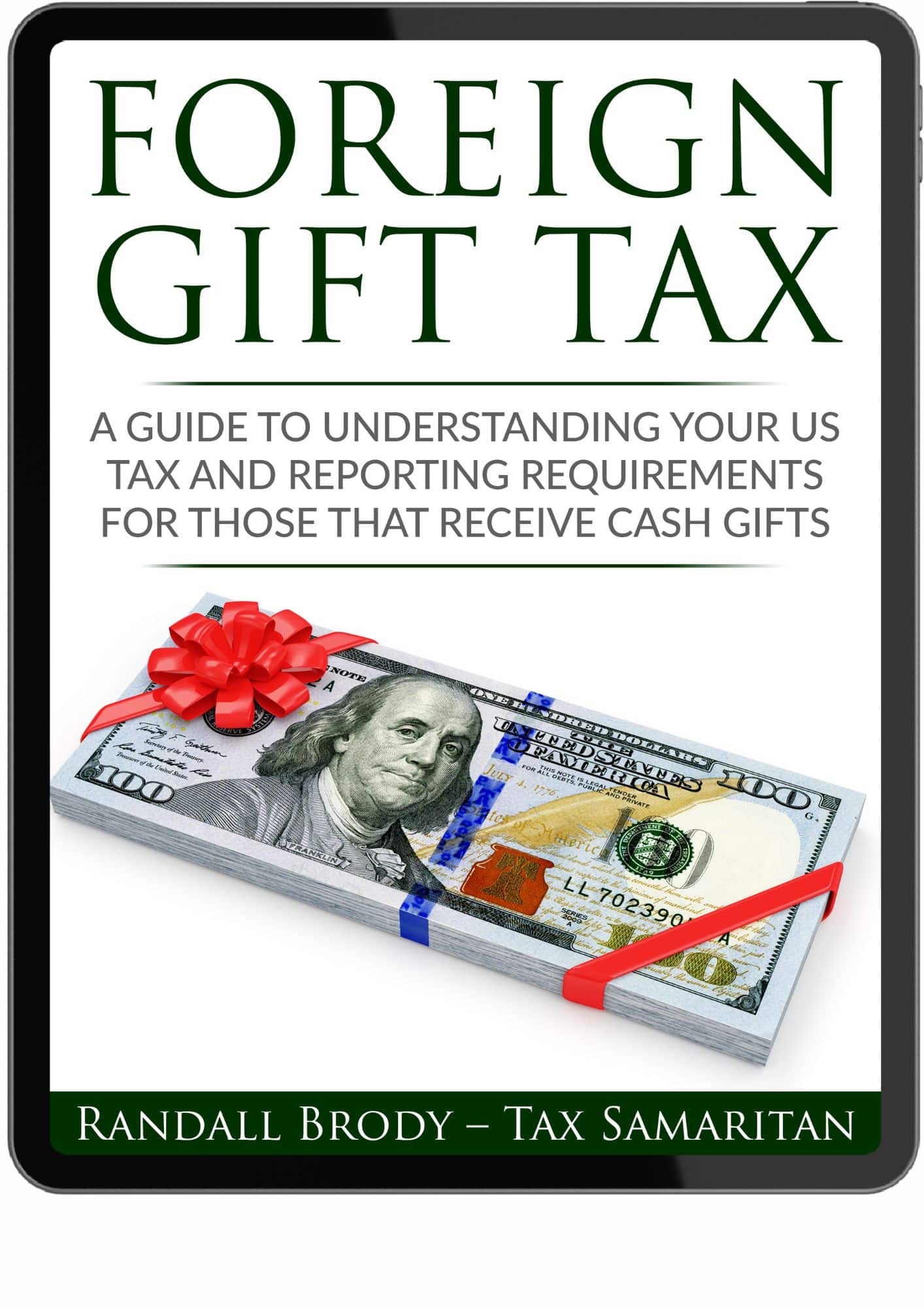
Furthermore, federal regulations may demand transparency pertaining to the resources of funding, specifically if linked to delicate research locations. Organizations should preserve precise records of foreign gifts, guaranteeing they can corroborate reported payments during audits. This procedure often calls for collaboration amongst various institutional departments, consisting of finance, legal, and conformity teams, to guarantee adherence to both federal guidelines and institutional policies. Comprehending these legal structures is vital for institutions to successfully take care of and report foreign presents.
Key Coverage Thresholds and Deadlines
Institutions have to be aware of particular reporting deadlines and limits to confirm conformity with laws relating to foreign presents. The U.S. Division of Education and learning needs establishments to report any international gifts surpassing $250,000 within a calendar year. This threshold includes both private gifts and collective payments from a solitary foreign resource.
Additionally, institutions have to report any type of foreign presents surpassing $100,000 to the Foreign Brokers Enrollment Act (FARA) if the presents are connected to lobbying or political tasks.
Due dates for reporting are essential; organizations are normally needed to submit annual records by July 31 for gifts obtained throughout the previous . Failing to satisfy these limits or target dates might bring about fines, consisting of loss of federal financing. Consequently, organizations should develop a diligent monitoring and reporting procedure to assure adherence to these important regulations.
Just How to Properly Paper and Record Foreign Gifts
Correct paperwork and coverage of international presents require a clear understanding of the essential compliance procedures. This includes adhering to a needed documents list and complying with well established coverage treatments. Legal considerations have to additionally be taken into consideration to ensure full conformity with applicable guidelines.
Needed Documents List
When reporting foreign gifts to establish conformity with regulative needs, exact paperwork is essential. Organizations must preserve an in-depth document of each present, including the benefactor's name, the quantity or worth of the gift, and the date it was gotten. Furthermore, a summary of the function of the present and any limitations enforced by the benefactor should be recorded. Communication with the benefactor, such as letters or e-mails, can supply context and confirmation. It is also crucial to include any type of appropriate contracts or contracts. Financial documents, such as bank statements or receipts, should sustain the worth of the present. Appropriate company and retention of these papers will assist in the coverage procedure and guarantee adherence to official website guidelines.
Reporting Procedures Summary
When steering the intricacies of reporting foreign gifts, it is important to comply with well-known procedures to ensure conformity with regulative standards. Organizations needs to begin by recognizing the nature and worth of the present, making certain precise documents. This includes compiling receipts, contributor correspondence, and any type of pertinent agreements. Next, entities should send the necessary types to the proper governmental bodies, commonly including the Division of Education or other assigned firms. It is essential to stick to due dates, as tardy entries might result in charges. Furthermore, maintaining extensive documents of the reporting procedure is necessary for future audits. Companies should educate their workers on these treatments to guarantee consistent compliance throughout all departments.
Compliance and Lawful Considerations
Just how can companies assure they meet compliance and legal standards when documenting foreign gifts? To determine adherence, establishments need to establish a detailed coverage structure that consists of clear definitions of international presents and thresholds for reporting requirements. Exact documentation is necessary, requiring detailed records of the present's resource, worth, and function. Organizations needs to execute interior policies for timely reporting to relevant authorities, consisting of federal companies, as specified by the International Gifts and Agreements Disclosure Act. Training staff on conformity protocols and keeping open lines of communication with lawful advise can even more enhance adherence. Regular audits of international gift paperwork methods will assist determine possible compliance spaces, ensuring companies support legal standards while cultivating openness in their financial relationships.
Effects of Non-Compliance in Coverage
Failure to abide by foreign present reporting demands can lead to significant legal penalties for organizations. Additionally, non-compliance may stain an establishment's credibility, weakening depend on with stakeholders. Recognizing these repercussions is important for preserving both ethical and lawful standards.
Legal Fines for Non-Compliance
Non-compliance in reporting international presents can cause considerable lawful penalties that may adversely affect individuals and organizations alike. The Federal government strictly imposes policies surrounding foreign payments, and offenses can lead to serious repercussions, consisting of hefty penalties. Establishments might face charges getting to hundreds of dollars for every circumstances of non-compliance, depending upon the amount of the unreported present. Furthermore, people associated with the reporting procedure might run into personal obligations, consisting of penalties or potential criminal costs for unyielding disregard. Additionally, the potential for audits boosts, why not try this out leading to more analysis of economic practices. In general, understanding and adhering to reporting needs is important to avoid these significant legal ramifications and warranty conformity with government policies.
Impact on Institutional Reputation
While legal penalties are a significant problem, the impact on an organization's track record can be just as extensive when it comes to failing to report foreign gifts. Non-compliance can bring about public distrust, harmful partnerships with stakeholders, alumni, and possible benefactors. Institutions run the risk of being viewed as undependable or lacking transparency, which can hinder future funding chances. Furthermore, adverse media protection may magnify these issues, resulting in a resilient taint on the organization's picture. This disintegration of credibility can have far-ranging repercussions, consisting of reduced registration, obstacles in employment, and deteriorated partnerships with other academic or research study institutions. Inevitably, the failing to follow reporting requirements not only jeopardizes financial security but additionally endangers the stability you could try this out and trustworthiness of the establishment itself.

Ideal Practices for Taking Care Of International Presents in Institutions
Successfully taking care of international gifts in establishments calls for an organized method that prioritizes openness and compliance. Establishments ought to develop clear policies laying out the acceptance, reporting, and usage of international gifts. A specialized board can supervise these plans, guaranteeing they line up with both institutional values and regulative requirements.
Routine training for personnel included in gift management is vital to preserve recognition of compliance commitments and moral considerations. Establishments have to execute complete due diligence on potential international donors to analyze any type of prospective threats associated with accepting their gifts.
Furthermore, open communication with stakeholders, including faculty and pupils, fosters trust and minimizes issues concerning international impacts. Periodic audits of international present purchases can aid determine any inconsistencies and maintain accountability. By carrying out these best techniques, institutions can properly navigate the complexities of receiving foreign presents while guarding their honesty and credibility.
Regularly Asked Inquiries
What Sorts Of Foreign Gifts Are Exempt From Reporting?

Can Foreign Present Be Used for Personal Costs?
International gifts can not be made use of for personal expenditures. They are meant for certain purposes, frequently pertaining to institutional or academic support, and mistreating them for personal gain can cause lawful and moral repercussions.
Exist Charges for Late Reporting of Foreign Present?
Yes, penalties can be imposed for late reporting of international presents. These might include fines or restrictions on future financing. Timely compliance is vital to prevent possible lawful and financial effects connected with such coverage demands.
Exactly How Do Foreign Gifts Influence Tax Obligations?
International gifts might affect tax obligation obligations by possibly undergoing reporting requirements and, in many cases, taxes. Receivers must disclose these gifts to ensure conformity with internal revenue service policies and stay clear of penalties or unanticipated tax obligation obligations.
Can Institutions Decline Foreign Gifts Without Reporting?
Establishments can decline international presents without reporting them, as there is no obligation to accept contributions. report a foreign gift. Nonetheless, if approved, they need to stick to governing needs relating to disclosure and prospective implications on tax commitments
Foreign presents refer to any kind of materials, funds, or solutions offered by international entities, individuals, or federal governments to United state institutions. As establishments engage with international entities, they should navigate a complex landscape of legal requirements for reporting international presents. Institutions should maintain a detailed record of each present, including the contributor's name, the quantity or value of the gift, and the date it was gotten. Non-compliance in reporting foreign presents can lead to significant legal charges that might adversely affect individuals and institutions alike. While lawful fines are a significant issue, the impact on an organization's reputation can be similarly profound when it comes to failing to report foreign gifts.